Stop And Go The Cyclical Journey of Wheels and Brakes

Stop And Go The Cyclical Journey of Wheels and Brakes

Maintenance for aircraft wheels and brakes is more complicated than it might seem. Ian Harbison spoke to some of the leading players.

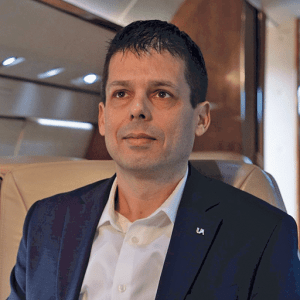
Nikolaj Jacobsen, CEO of TP Aerospace, says the MRO market for aircraft wheels and brakes closely mirrors global airline activity. These components are among the most cycle-driven parts of an aircraft — meaning their maintenance schedules are directly tied to how often an aircraft takes off and lands. Typically, aircraft wheels require servicing every 250 to 400 flight cycles, while steel brakes see maintenance between 800 to 1,000 cycles and 1,500 to 2,000 flight cycles for carbon brakes.

Nikolaj Jacobsen, CEO, TP Aerospace
Nikolaj Jacobsen,
CEO, TP Aerospace

The company operates across 12 strategic locations worldwide, covering the full spectrum of commercial aircraft, from regional jets to widebodies, and it supports both passenger and cargo operators, with long-term service contracts for close to 1,000 aircraft globally.

Those locations are: Bangkok, Brisbane (opened in 2024), Brno, (also opened in 2024), Copenhagen (headquarters), East Midlands, Hamburg, Kuala Lumpur, Las Vegas, Melbourne, Orlando, Shenzhen (sales representative office) and Singapore.

International markets in Asia Pacific and Latin America are experiencing robust growth and increased demand for wheels and brakes services. TP Aerospace image.

He says this global footprint enables the company to keep a close eye on the state of the industry. In 2025, the year started with unexpected turbulence — largely due to U.S. tariffs and the economic uncertainty they triggered. While these factors have introduced some headwinds, the overall trajectory remains positive. Key indicators like Revenue Passenger Kilometers (RPK) and Available Seat Kilometers (ASK) are on the rise.

There are some regional imbalances that have been noted. North America and Oceania are showing signs of softness, with some U.S. carriers already adjusting capacity and adopting a more cautious outlook. In contrast, international markets in Asia Pacific and Latin America are experiencing robust growth. This divergence is reflected in the wheels and brakes segment as well — Asia Pacific is buoyant, while the Americas are more reserved. Europe remains relatively stable, with the exception of some transatlantic routes. He comments that these dynamics are shaping how and where the company invests in capacity, inventory, and talent.

A clear trend is emerging that airlines are increasingly seeking long-term partnerships with specialized providers like TP Aerospace. They’re not just looking for a repair shop — they want a strategic partner who understands their operational needs and can deliver tailored, efficient solutions that are agile and trustworthy. This shift spans all airline segments, from cargo to passenger and ACMI operators.

He says this is great news for the company, which prides itself on being more than a service provider. It is a value chain optimizer. By working closely with OEMs, maintaining robust inventory buffers and aligning with its airline partners, it helps reduce waste, increase efficiency and ensure continuity even during supply chain disruptions. The extensive network also contributes to efficiency, as customers can find a service center close to them. Recent examples include Ukrainian operator Supernova, which has a fleet of Boeing 737NG freighters and is mainly serviced by Brno, the Czech Republic, while the U.K.-based ACMI specialist Ascend Airways will have its existing and future planned fleet of 737MAX aircraft, support by East Midlands.

He adds that airlines today demand more than just repairs, they want predictability, transparency and peace of mind. They don’t want to worry about whether a specific fastener is stuck in a producer’s backlog. They want a partner who understands the intricacies of the wheels and brakes ecosystem and can proactively mitigate risks. The great thing is that OEMs also want a partner that can handle this part of the value chain and that is why the company partner with both sides.

TP Aerospace has embraced this shift, with a service model built around end-to-end lifecycle support, ensuring that customers can focus on flying while it handles the rest. From predictive maintenance to inventory planning, it is helping airlines turn uncertainty into reliability.

Interestingly, he says, the demand for specialized wheel and brake services is not confined to any one type of airline. Low-cost carriers, full-service airlines, cargo operators, and ACMI providers are all converging on the same need of operational reliability at a predictable cost. This convergence is driving a more unified approach to MRO partnerships, where flexibility and customization are key differentiators.

TP Aerospace’s CEO, Nikolaj Jacobsen, emphasizes that they work closely with the OEMs, maintain robust inventory buffers and align with its airline partners’ needs. Doing those things helps reduce waste, increase efficiency and ensure continuity even during supply chain disruptions, he says. TP Aerospace image.

The company offers fully integrated exchange Flat-Rate Programs where the customer pays a fixed rate per landing and Land For Less (LFL) Programs that provide a less-integrated solution where customers pay a fixed fee per exchange event. In addition, it has the largest spares stock in the aftermarket and is an active purchaser of inventory, either serviceable or in need of repair. It also offers a 24/7 service for AOG situations or routine delivery. The third leg of the business is distribution of new OEM wheels and brakes piece parts and assemblies across all types and platforms.

He says innovation is a continuous journey. The company is constantly evaluating how to make the repair and overhaul processes more efficient and sustainable, especially as some steps are quite tough and labor-intensive and involve chemicals that it is actively working to reduce or replace. These improvements not only benefit the environment but also enhance employee safety and reduce costs, savings that can be passed on to customers and invested in upskilling the workforce.

Investments are also being made in automation and digital tracking, as well as a focus on AI and machine learning in the planning process. The latter helps to predict and mitigate supply chain disruption, again reducing the pain for airlines and OEMs.

TP Aerospace says their clients want a partner who understands the intricacies of the wheels and brakes ecosystem and can proactively mitigate risks. TP Aerospace image.

Antavia

Laurent Bouissou is managing director of Antavia, which has been part of AMETEK MRO since 2007 but has a history of more than 30 years. The activities cover commercial, business, helicopters and military market sectors.

Laurent Bouissou, MD, Antavia
Laurent Bouissou,
MD, Antavia

Corporate headquarters and a workshop are located in Campsas, just under 20 miles north of Toulouse-Blagnac Airport, with a larger facility, covering commercial, business and military aircraft in Le Mesnil-Amelot, on the edge of Charles de Gaulle Airport (CDG) and just eight miles northwest of Le Bourget. There is also a workshop in Singapore, which is growing.

Campsas is dedicated to supporting the ATR and Dassault production lines as well as the Airbus Transport International fleet of three Beluga ST and six Beluga XL.

For Le Mesnil-Amelot, proximity to CDG makes airline work important, particularly from Air France while a lot of business aviation work comes from Le Bourget, including Cessna, Dassault, Bombardier and Embraer types. As well as contracts with operators like NetJets, it works closely with Dassault Aviation Falcon Spares (DAFS) and Dassault Aviation Business Services (DABS), a worldwide service organization. Antavia works as well for the Dassault Production line in Merignac. In fact, it has just delivered the first set of wheels and brakes for the prototype Dassault Falcon 10X.

Antavia has been part of AMETEK MRO since 2007 but has been around more than 30 years. Their activities cover commercial, business, helicopters and military market sectors. Antavia image.

He notes that the business aviation market has high expectation of reduced turnaround times (TRTs) and quality. The company can often be expected to return a wheel in 48-72 hours, even if this includes 12-24 hours needed for pressure testing, as well as paint stripping, balancing, NDT (dye penetrant, eddy current and magnetic particle). In addition, Dassault, for example, requires that wheels are resprayed at every tire change. For DAFS, this can mean wheels being returned to a specific aircraft, while for DABS, with its worldwide network, they often go back into a pool.

Military work includes support for Boeing on the USAF C-17 fleet in Europe; for Sabena Technics for the French Air Force Airbus A330 tanker and VIP aircraft and the Lockheed Martin C-130 Hercules; and for Air France for French Air Force Boeing E-3F AWACS. He says it is an important and growing part of the business.

As a rough guide to the market split, he explains that Paris handles around 5,000 wheels a year, of which business aviation is 50%, military is 30% and commercial 20%.

He comments that airlines tend to have their own particular models. Some have their own wheels and brakes shop; some perform tire changes in-house but subcontract overhaul work; some subcontract specialized repairs; and some use outside shops for overflow work.

He adds that tire work is very cyclical. Tire wear is highly dependent on outside temperature, with a rule of thumb that every 1°C increase will cost 10 landings. His own airline experience showed a tire that would do 400 cycles in winter would only achieve 200 in summer. This is complicated with long haul services crossing continents and climate zones. A freeze or a heatwave over several weeks can also throw up unexpected wear levels. The other major factors affecting tire wear include use levels of thrust reverse and brakes, and runway and taxiway abrasion levels.

There are averages, he says, but there are always surprises. One customer forecasted 300 wheels in 1Q25 but only sent 180. Having recalculated their annual requirement, it dropped from 1,000 to 800 wheels. Recently, they delivered 20 wheels in one week. All these uncertainties, combined with demand for fast TRTs, means load planning is “our daily nightmare!”

On brakes, he says carbon is dominant, with aircraft like the Boeing 737, where there is an option of steel brakes, seeing a shift from steel to carbon. They are lighter and much more durable, but also very, very expensive. Also dominant are the OEMs. They control prices to third-party MROs and no PMAs are available. In fact, the carbon heatstack is their exclusive preserve and is often supplied as embodiment loan to the MROs, who can work on the rest of the system.

Another part of the Air France contract for French Air Force Boeing E-3F AWACS is steel brakes.

Finally, he adds, electric brakes are an upcoming requirement, with the Airbus A220 and Boeing 787, which will require investment in different test benches.

Safran

From an MRO perspective, Safran Landing Systems sees a trend towards carbon technology, as it offers lighter equipment and greater energy absorption capacity as well as faster cool down than steel. In 2023, 13% of commercial aircraft with 100 seats or more were equipped with steel brakes, compared with 87% with carbon brakes.

Now, the carbon brake production level is higher than before Covid due to the unprecedented production ramp-ups by the airframers and the growing maintenance needs of airlines, both driven by the strong recovery in air traffic since the pandemic.

The company adapts to the specific needs of each airline with a comprehensive range of services, from heat sink exchanges to “all inclusive” support including the supply of components and even tire change. As part of this tailor-made services offer, it provides cost-per-landing contracts, particularly interesting for airlines with large fleets, for which maintenance and repair costs are based on the number of landings made by the aircraft. This cost is variable depending on traffic levels, which is linked to revenues. This enables operators to manage their maintenance costs more predictably.

Uncertainties in customer planning combined with demand for fast TRTs, mean load planning is a daily challenge for companies that provide wheels and brakes services. Antavia image.

In order to offer increasingly responsive support and improve fleet availability for customers, Safran Landing Systems has its own MRO workshops in the USA and soon in Asia, as well as MRO partnerships around the world to cover major airports with very short turnaround times. In the USA, in particular, subsidiary Wheel & Brake Repair & Services relies on five repair stations strategically located in Miami (Florida), Milwaukee (Wisconsin), Las Vegas (Nevada) and Grand Prairie (Texas), to be as close as possible to customers, while wheels, brakes and heat sink are manufactured by a plant in Walton (Kentucky).

In addition, it is developing projects leveraging the potential of Artificial Intelligence, allowing it to better anticipate customers’ demand for carbon disk exchanges.

Safran says the trend for their airline clients is towards increasingly robust brakes, with a short turnaround time between overhauls and lightweight brakes, to help reduce fuel consumption. Safran image.

Each airline has its own support model, either by completely outsourcing the maintenance of its wheels and brakes, or by carrying out all or part of these operations in-house, through its own MRO workshop which, in some cases, may even provide maintenance services to other airlines. There are more and more requests from airlines to outsource their maintenance to maximize variable cost.

Today, supply rather than demand defines growth, whether on medium-haul or long-haul routes. More broadly, at the request of airlines, the trend is towards increasingly robust brakes, with a short turnaround time between overhauls and lightweight brakes, to reduce fuel consumption.

Safran says it adapts to the specific needs of each airline with a comprehensive range of services, from heat sink exchanges to “all inclusive” support including the supply of components and even tire change. Safran image.

The company is able to remanufacture carbon brake disks as new by reusing/recycling up to 50% of the disk, depending on the configuration. While guaranteeing the same level of performance and safety, this process contributes to significantly reducing needs for materials and the energy associated with manufacturing.

Advances in SMS: An Aviation Maintenance Virtual Roundtable

Advances in SMS: An Aviation Maintenance Virtual Roundtable

Once seen as bureaucratic obligations, Safety Management Systems (SMS) have evolved into dynamic, data-driven ecosystems that support informed decision-making across aviation operations and maintenance, and even boardrooms. In this Aviation Maintenance ‘virtual roundtable’ discussion, three SMS industry leaders take a look at what SMS is, where it is headed, and why operators should care about SMS more than ever.

Aviation Maintenance: Let’s begin by asking each of you to introduce yourself, and to tell us about your role in aviation SMS.

Chris Howell: I am CEO at NorthWest Data Solutions, a leading provider of aviation safety solutions. My work focuses on overseeing the development and implementation of SMS tools that enhance risk management and safety culture for airlines and operators. With 17 years of experience in aviation safety, I collaborate with stakeholders to ensure our solutions align with regulatory standards and industry needs.

Chris Hill: I am the senior director of safety at Vertical Aviation International (VAI). I lead VAI’s strategic initiative to elevate safety throughout the vertical aviation industry by delivering high-quality safety programs and educational resources. My focus includes advancing SMS awareness, adoption, and effectiveness across diverse operational profiles worldwide.

Debi Carpenter: As executive director of the Air Charter Safety Foundation, my role is to drive the ACSF’s mission to influence industry safety by empowering our members with educational tools and resources to proactively drive their organization’s safety culture and safety performance. More specifically, I oversee the development of our SMS tools for operators of varying sizes. At ACSF we also have an ASAP (Air Safety Action Plan) program, plus our Member Assistance Program (MAP) where we help operators prepare for audits, get their SMS set up and get ready to submit compliance.

Aviation Maintenance: Thanks! So, to begin with, what trends are driving the SMS market today?

Chris Howell: The SMS market is evolving rapidly, driven by several key trends.

First, there’s a strong shift toward data-driven safety management, with organizations leveraging advanced analytics and artificial intelligence to predict and mitigate risks proactively. For instance, real-time data from flight operations and maintenance records is being used to identify patterns that could indicate potential hazards.

Second, there’s a growing emphasis on integrating SMS across all aviation domains, including manufacturers and air traffic control, as regulators like the FAA expand requirements and oversight capabilities. Finally, fostering a robust safety culture remains critical, with more organizations adopting anonymous reporting systems to encourage open hazard identification, which has led to a notable increase in reported safety issues.

Debi Carpenter: The integration of AI and predictive analytics is a major trend driving SMS these days. AI is a great way to enhance hazard identification and risk assessment. Predictive analytics tools can forecast potential safety issues, which helps to be more proactive and more informed for decision-making.

Additionally, there is a rising emphasis on FDM (Flight Data Management), which adds objective data to support a Safety Management System. Within the framework of the SMS, FDM provides insight into what’s really happening during flights, so operators can spot patterns, fix issues early, and continually improve. It’s a powerful way to make sure safety isn’t just a plan — it’s something that’s always improving.

Chris Hill: The recent expansion of the U.S. Part 5 SMS rule has brought renewed attention to SMS implementation across the industry. In response, VAI is focused on equipping our members with the resources they need to build effective safety management systems that support daily operational risk management.

Despite broad industry support, many smaller operators remain hesitant. We understand their concerns and are working alongside regulators, industry partners, and volunteers to help demystify SMS and emphasize its practical benefits when implemented properly.

With compliance deadlines approaching, we expect to see a spike in attention, some of it sincere, some of it perhaps less so. Regardless, we encourage all operators to pause, assess where they stand, identify gaps, and begin closing them. Don’t wait for a due date or, worse, a preventable tragedy. Take the time now to ask, “What could go wrong today?” and address it before it becomes a regret.

Aviation Maintenance: Has the recent spate of aircraft accidents had an impact on SMS and the use of these systems in aviation?

Chris Hill: I’d like to believe so. Every operator and maintenance provider should use each accident report as an opportunity for reflection and improvement. The findings, causal factors, and recommendations should prompt meaningful conversations and guide practical changes that enhance safety at every level.

Debi Carpenter: We have seen an increase in interest from operators seeking guidance on how to strengthen or implement their SMS. We have also seen more engagement with our tools and programs, including our new MAP and Industry Audit Standard Lite audit.

A number of high-profile aviation accidents have drawn public attention, prompting increased concern even among those who fly privately. Passengers and executives are asking more questions about the safety practices of their operators. In response, we’re helping operators use objective safety data not only as an internal tool, but as a transparent layer that can inform and reassure decision-makers.

Chris Howell: Recent aircraft incidents, such as near-collision events at major U.S. airports, have heightened the focus on SMS adoption. These incidents have underscored the need for proactive risk management, prompting operators — particularly in the Part 135 and general aviation sectors — to accelerate SMS implementation.

While Part 121 operators have long had SMS mandates, smaller operators are now recognizing the value of structured safety systems to prevent incidents and enhance compliance. This increased scrutiny has also driven demand for training programs that strengthen crew resource management and situational awareness, further embedding SMS principles into daily operations.

Aviation Maintenance: Okay, let’s get practical. What new SMS products and services have come onto the market recently, including any of your own?

Debi Carpenter: Over the past year, I’ve seen a range of new SMS products and enhancements across the industry, including improvements in data visualization, accessibility, and integration with other platforms. Some operators are even developing their own in-house SMS tools tailored to their specific needs.

At ACSF, we’ve been focused on making our SMS tools more user-friendly and adaptable across departments to support cross-functional collaboration as well as integrating with other platforms. We also introduced two key initiatives, which I have touched on before.

The first is our Member Assistance Program (MAP). This program offers hands-on coaching, including a GAP Analysis (a structured process that evaluates the current state of a safety program against its desired state, such as compliance with civil aviation authorities like FAA, ICAO, or IS-BAO) and step-by-step guidance to help operators build or improve their SMS and reach compliance with FAA Part 5 requirements.

The second is Industry Audit Standard (IAS) Lite. Designed for operators who need a more accessible pathway to compliance, IAS Lite helps ensure alignment with FAA Part 5 and ICAO Annex 19. Once certified under IAS Lite, an operator is well-positioned to submit their SMS for FAA compliance acceptance.

These additions aim to provide practical, scalable solutions for operators at different stages of SMS maturity.

SMS Pro is a cloud-based SMS platform that streamlines hazard reporting and risk analysis through an intuitive interface, according to Chris Howell, CEO of NorthWest Data Solutions. Northwest Data Solutions image.

Chris Hill: VAI has partnered with several trusted providers to offer SMS solutions tailored to a wide range of operator sizes and missions. These are not off-the-shelf templates or shelf-sitters. Our partners work directly with operators to identify real capability gaps and deliver tools, assessments, and coaching that align with their specific operational needs and maturity levels.

Chris Howell: The market has seen several innovative SMS products emerge recently. At NWDS, we’ve continued to expand on SMS Pro, a cloud-based SMS platform, which streamlines hazard reporting and risk analysis through an intuitive interface. This tool integrates with existing operational systems, allowing operators to aggregate data from multiple sources and generate actionable insights. Other notable enhancements include built in a learning management system (LMS), and computer-based training modules for safety procedures, which enhance employee preparedness and reduce human error. These advancements reflect a broader industry push toward technology-enabled safety solutions.

Aviation Maintenance: To close out our discussion, what do you foresee the future holding for SMS?

Chris Howell: Looking ahead, I see SMS becoming even more predictive and interconnected. As artificial intelligence and Internet of Things (IoT) technologies mature, SMS platforms will increasingly anticipate risks by analyzing vast datasets in real time — everything from engine performance to weather patterns. Regulatory harmonization will also play a key role, with global standards like those from ICAO ensuring seamless SMS implementation across borders. Additionally, the rise of autonomous aircraft and urban air mobility will necessitate new SMS frameworks to address unique safety challenges.

Ultimately, SMS will evolve into a cornerstone of aviation operations, prioritizing prevention and fostering a culture of continuous improvement.

Debi Carpenter: I believe SMS will continue evolving from a compliance-focused framework to a more integrated, data-informed safety culture. We’ll likely see broader use of predictive analytics, AI, and real-time data, both at the macro and individual level, to identify and mitigate risks proactively.

I also expect SMS to become more cross-functional and extend beyond flight operations to include maintenance, ground handling and other departments as standard practice. Greater collaboration between regulators and industry will be important in refining what effective SMS implementation looks like across diverse operations. In the near future, insurance underwriters and insurance brokers may require charter operators to have an SMS program before they offer them a policy.

Chris Hill: I am optimistic about the future of SMS. There’s a growing pool of talented professionals committed to simplifying SMS implementation while retaining its core value. The future lies in practical tools and intuitive strategies that make safety management easier to understand and apply.

SMS shouldn’t feel like an unsolvable puzzle. It should be clear, effective, and integrated into everyday operations. We’re moving toward that goal, and the momentum is encouraging.

How MROs Can Survive Tariffs: Advice from the Experts

How MROs Can Survive Tariffs: Advice from the Experts

How MROs Can Survive Tariffs: Advice from the Experts

With tariffs being an integral aspect of Donald Trump’s legislative platform, the time has come for MROs and their supply chain partners to cope with this unpleasant new reality of business life. This is no easy task: “Tariffs continue to present significant challenges for the aviation maintenance sector, particularly in terms of cost predictability and supply chain efficiency, with the ability to forward-plan hampered by the ongoing state of flux,” said Hamish Martin, partner at LAVA Advisory Partners.

Hamish Martin, Partner at LAVA Advisory Partners
Hamish Martin,
Partner at LAVA Advisory Partners

So how can MROs find ways to survive tariffs, let alone thrive? Aviation Maintenance polled the experts to find out. Here’s what they told us.

A Vulnerable Sector

People in the space equipment and launch industries like to explain the many problems they face by saying, “Space is hard”. Well, when it comes to dealing with tariffs, “MRO is hard too”.

Meghan Welch, Managing Director, Brown Gibbons Lang & Company

“MRO is one of the sectors that is feeling more of the pain than other sub-sectors of aerospace and defense, both on the price side of the tariff and on general parts availability, which is already pretty scarce in the market today,” said Meghan Welch, managing director of Brown Gibbons Lang & Company. Her firm is a middle market mergers and acquisitions consulting agency that also covers debt capital markets and equity capital markets. “There’s a big supply demand imbalance already for MRO parts and repair capabilities, and this has just been exacerbated by the tariffs themselves.”

“From a broader macro perspective, the tariffs, especially all the news that was announced about China and Boeing, really called into question further delays on the production side for the OEMs like Boeing,” she added. “The cancellation of Boeing orders that China has announced has repercussions throughout the supply chain and the aftermarket. Of course, the longer that new aircraft production continues to get delayed, the longer that airlines and operators will continue to fly older aircraft, which directly translates to increased need for MRO services — as long as they can get parts. So the news isn’t all bad for MROs.”

The Tried and True Methods Still Work

Chris Brumitt is managing director, aerospace & defense, for Maine Pointe. “We are a supply chain and operations implementation firm, specializing in transformational change for major private and public companies,” Brumitt told Aviation Maintenance magazine. “Our focus is on delivering measurable economic returns in cost and cash flow across planning, procurement, operations and logistics, enabled through hands-on execution, data analytics and leadership, and organizational effectiveness.”

Chris Brumitt, Managing Director, Aerospace & Defense, Maine Pointe

When it comes to surviving tariffs, Brumitt prescribed the “tried and true methods” that give companies the best chances of surviving today’s tariff wars. “Ultimately, most businesses, whether in strong or weak economic times, must strive to be more efficient, reduce costs and deliver quality products to their customers on time,” he said. “Our consulting business is not being directly affected by tariffs. But our clients are experiencing dramatic swings in how they must adjust their approach to not only the tariff cost, but also the administrative burdens and ongoing uncertainty from frequent adjustments to tariff policies. Many clients are forced to reassess their strategies on short notice, which can impact operational capabilities and increase operating costs, as well as drive up material cost.”

In some instances, consulting with an expert like Maine Pointe can be a smart move for MROs and their suppliers — because fresh minds can sometimes come up with useful ideas. A case in point: “Our current engagement with a composite aircraft parts company is focused on two critical areas,” said Brumitt. “The first area is Strategic Sourcing, to improve procurement maturity and reduce material cost in the most critical categories of the supply chain. The second is operations excellence, to drive improved productivity, quality, and throughput within the enterprise itself.”

When choosing an expert, make sure that they practice what they preach. Otherwise, their advice may not be based on firsthand experience and thus lack value.

At Maine Pointe, “we are always focused on managing our financial status in alignment with changes to our long- and short-term revenue projections,” Brumitt said. “This is why we believe that most companies must pay attention to their end-to-end supply chains, and in difficult economic times, the key is for them to stay focused on their costs and cash flow, which is our greatest area of expertise. Because Maine Pointe’s approach is implementation-based and directly impacts cost and cash, our model fits well with our clients’ near-term need to deliver bottom-line results.”

Diversification and Other Options

Diversification is a great way to add new revenue streams, and move into new markets that can help a struggling company do better. Perhaps the most striking example of this truth is Amazon, which started as an online bookstore and now sells everything. Disney achieved similar success by diversifying from purely creating movies, to tie-ins such as theme parks and cruise ships. Apple began by building computers, then branched into MP3 players (iPods) and now smartphones (iPhones).

When it comes to aviation maintenance, “the airlines have been cutting routes, leading to concerns that there’s going to be reduced passenger travel because people are tightening their wallets globally, and thus resulting in less work for commercial passenger aviation MROs,” said Welch. “One way to deal with a potential drop in business is by diversifying into commercial freight, and even the military side of MRO.”

In either case, the key is to look for opportunities in untapped markets that tap into an MRO’s existing capabilities and services. By diversifying in this manner — especially in domestic markets that may be less affected by tariffs — MROs can bring in new work, at rates that factor tariffs into the cost.

Focusing on domestic markets is yet another way to potentially boost revenue streams.

“While cross-border deals now require more careful navigation and a robust approach to due diligence, the focus on regional self-sufficiency is opening up fresh avenues for investment. With the right strategy, businesses can turn tariff pressures into a catalyst for long-term competitiveness and value creation,” Martin said. “This could prompt a wave of exits from innovative founders considering their succession plan and willing to find the right advice to capitalize on the market opportunity.”

In a similar vein, there may be opportunities for smaller MROs to band together and share projects based on their respective strengths, such as an engine shop and an airframe shop. Another solution is for smaller shops to either merge with large MROs, or to be acquired by them. “A lot of my clients are the smaller companies in the middle market, where we’re seeing interest in possibly selling or finding a successor for their business, because they’re getting squeezed on overall costs,” said Welch. “This is creating M&A opportunities for some of these larger consolidators.”

“From an M&A perspective, we’re seeing increased interest in local partnerships and regional consolidation, which can strengthen supply chain resilience and create new growth opportunities for both small companies with a stronghold in a specific region or capability, and for the acquisitive companies looking to broaden their reach,” Martin agreed. “Across the wider aerospace community, these changes are driving innovation in sourcing and logistics, and encouraging more agile and adaptable business models.”

Finally, it may be possible to expand the degree of services that an MRO offers, such as paid online/over-the-phone support to airlines and other aircraft operators, because such services are not being tariffed. Again, a case in point: “While the majority of Maine Pointe’s business is in the U.S., our international business is not generally affected by tariffs because we are exclusively a service business, and the tariffs are directed at physical products,” Brumitt said. “Meanwhile, the adjustments we have made for market changes are based on a customized, strategic approach to each market. Aerospace & Defense, Automotive, and Electronics all require a different approach, depending on what tariffs are being levied and to which countries.”

jet engine repair

Toughing It Through Supply Chain Woes

Even before Covid, the aviation supply chain was experiencing serious delays due to lack of parts and distribution issues. Covid made matters worse. Afterwards the supply chain situation was finally starting to improve, until tariffs were added to the mix and messed things up again.

In the hardest, starkest terms, tariffs are now a fact of business life, and a force that has upended the survivability of many MRO businesses. To cope with the additional costs being generated by tariffs, some MROs are changing their ways of doing business. “We used to see a lot more MRO shops operating on a purchase order basis,” said Welch. “Now we’re seeing them move towards a short contractual agreement basis with potential customers, to better manage their costs and revenue streams.”

“Tariffs can create direct financial pressure and significant supply chain disruption,” Brumitt noted. To mitigate these facts, “Maine Pointe is uniquely positioned to help clients offset the impacts of the tariffs and reduce other cost areas to rebalance operations and restore performance. The number one thing that Maine Pointe does to retain our clients and keep them happy is to deliver on what we commit to and focus on total client satisfaction. We utilize extensive analytical tools to determine the potential benefits for our clients and go through a rigorous due diligence process that gives us and our clients the highest level of confidence that we will deliver on our promises.”

The Bottom Line

There is nothing that we at Aviation Maintenance magazine would like to do more than offer our readers an easy, surefire way to survive (and even thrive) during tariffs.

Unfortunately, there are no surefire solutions available at hand. But what does exist is useful advice as offered by our experts above. With any luck, it will help your company get through these tough times, and keep going until things eventually improve. That’s not a “magic bullet” solution, to be sure, but at least we are telling you the truth.

Human Factors in Aircraft MRO

Human Factors in Aircraft MRO

Significantly impacting the safety, efficiency, precision and overall integrity of aircraft operations

Human factors (HF) play a critical role in aviation maintenance ensuring aircraft safety and reliability. It is human factors that too often affect MRO functions that can cause or contribute to many aircraft accidents. Some examples of HF maintenance errors are parts installed incorrectly, missing parts and also required checks not being performed. As the aviation industry continues to grow, the importance of reliable and competent maintenance, repair and overhaul (MRO) services also grows.

Human factors is the study of the relationship between humans and machines. There’s been such an emphasis on recognizing and responding to human factors in aircraft MRO, that the Federal Aviation Administration’s (FAA) Flight Standards Service Aircraft Maintenance Division, together with the Office of Aviation Medicine (AAM), developed and formalized the agency’s Human Factors in Aviation Maintenance and Inspection research program. This program was implemented in response to a congressionally mandated requirement (Aviation Safety Research Act, Pl. 100-591, 1988) and is aimed at reducing the number of accidents and incidents resulting from human error in maintenance.

This strategic program plan describes industry-government-labor partnerships that characterized the human factors in aviation maintenance and inspection research program at the time. The plan provides historical scientific explanation and rationalization of the need for applied human factors research and development.

Significant Impact

Dr. Maggie J. Ma, FRAeS, certified human factors professional (CHFP), technical fellow customer support, Boeing Commercial Airplanes, Seal Beach, California, explains that human factors can significantly impact safety, efficiency and overall reliability through:

Investigating events and near misses to understand contributing factors (a.k.a. performance shaping factors), so we can manage/influence human behaviors — preventing and mitigating human errors and violations.

Designing for maintainability; applying Human-Centered Design (HCD) approach and design for maintainers to ensure they can perform their tasks (maintaining/servicing/inspecting the aircraft) safely and efficiently in the actual operational environments.

Ensuring effective and ease-of-use of work instructions and user interfaces of maintenance applications/systems.

Understanding changing demographics of aircraft maintainers, their changing needs/preferences in seeking information, using technologies, learning, as well as impact of new technologies on the workforce and performance (e.g., artificial intelligence, drone assisted visual inspection, human-robot teaming).

Dr. Bill Johnson, President Drbillj.com
Dr. Bill Johnson, President
Drbillj.com

Dr. Bill Johnson is president and chief scientist of Drbillj.com LLC, Atlanta. Over the past 15 years he has spoken to many FAA airworthiness inspectors (perhaps 2,500 ASIs), FAA certification inspectors, NTSB and other international investigative and defense personnel, and U.S. and International airline and MRO employees. At the start of each of his classes he asks the class to use a blank sheet to list the top five HF challenges related to airworthiness.

“I started doing this in 2010,” Dr. Johnson says. “Surprisingly, the lists have not changed radically in that 15-year period and there is a high overlap between U.S. and international audiences. That says that the age-old challenges have not gone away and need continuing reinforcement. These lists include: company safety culture; enough qualified MRO personnel; management and self-induced time and quality pressure; fitness for duty (mostly fatigue); communication; complacency; procedural compliance; learning new technology; and more.”

When it comes to recognized HF challenges, there was an initial industry “Dirty Dozen,” a list of the twelve most frequent pre-cursors or contributing factors to human errors that can lead to incidents and accidents. This list has evolved and expanded to be called the “Filthy Fifteen,” which includes modern stressors and influences in aviation maintenance. The three additions to the original twelve help address risks from new technology regulations and workforce changes:

• Lack of Communication

• Complacency

• Lack of Knowledge

• Distractions

• Lack of Teamwork

• Fatigue

• Lack of Resources

• Pressure

• Lack of Assertiveness

• Stress

• Lack of Awareness

• Norms

• Technology Overload

• Information Overload

• Procedural Drift

Aviation MRO professionals work on an airplane at the Xiamen Airlines - Fuzhou Maintenance Base in Fuzhou, China. Photo courtesy of Dr. Maggie Ma.
Aviation MRO professionals work on an airplane at the Xiamen Airlines – Fuzhou Maintenance Base in Fuzhou, China. Photo courtesy of Dr. Maggie Ma.

Advances, Technologies and Training

What’s available to aid HF in aircraft MROs and keep the Filthy Fifteen at bay? Dr. Johnson explains that while procedural compliance is still a primary challenge, “New delivery methods like hand-held computers make it easier to always have the right documentation available. Younger workers are likely to consult documentation when they have a device readily available. FAR Part 5, related to Safety Management System (SMS) is working for airlines and most MROs. With proper scaling, it will also have a positive impact on general aviation MRO operations. Tied closely to SMS is voluntary reporting. FAA inspectors are adopting the attitude/philosophy that it is better to find ways to address hazards and possibly increase risks rather than find ways to punish personnel and organizations that make mistakes. FAA, company management, organized labor and individual workers are thinking more like risk assessors.”

Dr. Maggie Ma helped launch the Ethiopian Airlines (ET) Maintenance Line Operations Safety Assessment program in Addis Ababa, which is a Boeing and ET collaborative effort. Photo courtesy of Ethiopian Airlines and Boeing.

DOT TSI Mx HF classes use the PEAR model, which was created by Dr. Johnson and another developer in 1995. The model (actually a mnemonic) was initially designed to be understood and used by the aviation maintenance and engineering audience. PEAR remains a main HF training paradigm for FAA inspector training and is also widely used by the Civil Aviation Safety Authority (CASA), Australia training program. PEAR is the basis for maintenance HF training at many airlines and maintenance, repairs and operations. For over two decades, the term “PEAR” has been used as a memory jogger to characterize HF in aviation maintenance. PEAR prompts recall the four important considerations for HF programs:

• People who do the job

• Environment in which they work

• Actions they perform

• Resources necessary to complete a job

Dr. Maggie J. Ma, Technical FellowBoeing Commercial Airplanes
Dr. Maggie J. Ma, Technical Fellow
Boeing Commercial Airplanes

Dr. Ma notes that the release of ICAO Doc 10151: Manual on Human Performance (HP) for Regulators in 2023 been a very useful tool. The document has defined the five principles of human performance and provided guidance to the regulators and the regulated on how to best support human performance in aviation.

There is a trend for organizations to rely on computer/web-based training to satisfy the aircraft MRO requirements whenever they can for cost-saving reasons. Dr. Ma warns there is a lot of empirical evidence that CBT/WBT for human factors is not as effective as in-person facilitator led training. “Organizations should implement in-person HF training to take advantage of the human interaction in learning and team building.”

Increasingly, XR (Extended Reality) technologies — a broad term encompassing immersive technologies that merge the physical and digital worlds — are gaining in usage. Virtual Reality (VR) is being used for training and design/development activities. Mixed Reality (MR)/Augmented Reality is being used for training, remote assist, remote inspection, intuitive work instruction with built-in work-progress tracking and error-proof features. Dr. Ma says the fourth wave of computing — enabled by mixed reality immersive wearable technology — target users are first-line workers (2 billion) such as maintainers. Previously the key target computing users were information workers (480 million).

A Shift to Cognitive Interface Management

It is impossible to ignore the rise of AI. “AI is taking the world by storm and will transform aviation/aircraft MRO by transforming what people do and how people work,” Dr. Ma says. “Correct AI use is likely to improve accuracy and efficiency like what automation has done. However, there will also be challenges like misinformation, mistrust, over trust and ethical concerns that are more complex than those concerns associated with automation. The Intl. Society of Human Factors and Ergonomics has released AI ‘guardrails’ for human use.”

“Automation, like AI, can follow a lot of worker activity and provide real-time advice,” Dr. Johnson says. “A smart computer will advise you a lot quicker than a co-worker who does not want to offend you. Automation can make it easier for workers to report and learn from personal errors and the collective errors of other workers. Manufacturers are increasingly offering a built-in test. No matter how much automation there is in the equipment we will always need a competent mechanic to help diagnose, service and R&R hardware.”

Dr. Ma believes that both mechanical interaction and cognitive interface management have been important focuses for maintenance HF and will continue to be in the foreseeable future. “The trend in aircraft maintenance is becoming more proactive and predictive. HF needs to shift to assisting maintainers in proactive and predictive maintenance related training, planning and tasks. As airplanes and systems become more sophisticated, maintenance HF must engage early in the design and development and help to keep maintainers in the loop. [This] allows them to see the logistics behind how systems function and the ‘whys’ when something failed to work properly.”

Technologies are evolving and AI is rapidly re-shaping the world and changing workplaces. Dr. Ma believes that investing in aviation HF research and innovations will help to understand how human performance is affected by these changes and how to keep maintainers and other aviation professionals safe, productive, efficient, healthy and happy. “We need to support new generations of maintainers based on their information search and consumption preferences and learning needs. We need more HF practitioners.”

A technician’s human factors will influence aircraft MRO performance. Investing in aviation HF research and innovations will help to understand how human performance is affected by these changes and how to keep maintainers safe, productive, efficient, healthy and happy. Photo courtesy of Ethiopian Airlines and Boeing.

Safety Culture

While implemented in the MRO trenches, the focus on HF must start at the top. An organization’s safety culture is a pervasive attitude that places safety at the heart of every operational decision. Dr. Johnson says, “The concept of safety culture is increasingly familiar to management and the workforce. It is a safety culture evolution with new technologies ensuring continuing safety. That’s true for all types of organizations. Enlightened management is continuing to move in the right direction. If management does not do the right thing then organized labor and individual workers will encourage them. The maintenance workforce is determined to do the right thing.”

Dr. Ma quotes a common HF expression, “To err is human and to drift is human,” when discussing organization culture and company policies/protocol (e.g., SMS) that manage human behaviors based on the understanding of human behaviors. “To prevent and mitigate human errors and violations, the key is to manage/remove contributing factors that precede errors and violations. Telling people to not make errors or not violate procedures or just punishing people won’t prevent reoccurrence. Organization culture/safety culture should make people feel comfortable, and encouraged and incentivized to report events, near misses and any safety concerns. For example, by having established psychological safety among teams, established just culture and reporting culture, and an easily accessible/easy-to-use reporting system. Employees know what to report and have the options to report confidentially or anonymously.”

Navigating Tariffs

Navigating Tariffs

Tariffs continue to dominate the headlines. Many companies that tried to avoid tariffs by drawing-down existing inventories are realizing that tariffs may change, but they do not appear to be going away. In this column, I want to talk about (1) a basic background on tariffs, (2) legal challenges to tariffs and the likelihood of tariffs in the future, and (3) some strategies that repair stations and other aircraft parts-users can use to minimize their tariff obligations.

Background

Tariffs are specifically reserved to Congress under the Constitution. Congress has granted to the President certain delegated authority to enact tariffs in limited circumstances. The President has used this authority to enact broad tariffs on goods from foreign countries in response to trade deficits, as well as broad tariffs on certain countries in response to fentanyl trafficking. In all such cases, the importer is typically responsible for paying the tariff.

Unfortunately, some of our trading partners have implemented their own reciprocal tariffs on U.S. goods in response to these U.S. tariffs. This creates a regulatory regime in which importers are paying various new tariffs on goods that cross borders. For a global industry like aviation, this can reflect a significant set of new costs on the industry.

Are Tariffs Legal Today?

First of all, let me be clear that I think the current tariffs as they are applied to aircraft parts are illegal. I am not professing an opinion about whether tariffs are a good idea or a bad idea. I am professing an opinion about the interaction between certain recent chapter 99 tariffs and the Agreement on Trade in Civil Aircraft (“ATCA”).

This column is not the only place that I have expressed this opinion. I have also stated it in a petition filed with the U.S. government, seeking redress for a client.

When you apply the current tariffs to aircraft parts, you run into the ATCA. Under that agreement, the United States agrees that it will eliminate tariffs on most imported aircraft and aircraft parts. ATCA became a part of U.S. law as a “congressional-executive agreement,” and has subsequently been implemented through various acts of Congress.

The duty-free treatment of aircraft is established under both the ATCA and also by implementing legislative language. Because of the way that ATCA has been implemented under federal law, it would take legislation to counter it. Many of the new tariffs have been enacted pursuant to executive orders. In many cases, the legislative grant of power that authorized the President to establish new tariff programs was not broad enough to circumvent ATCA. In summary this means that even if the tariffs (as described above) are legal when applied to other products, I think that they are illegal when applied to aircraft and aircraft parts that are within the protection of ATCA.

Bear in mind that this is part of an open petition, so the United States has not yet agreed to my position. This means that import duties are currently being charged for aircraft parts imports. If I am successful in establishing a precedent that negates application of tariffs to aircraft parts, then the importers who are affected would need to file for a refund.

Will Tariffs Be Legal Tomorrow?

The Commerce Department has initiated a number of special investigations into various goods. One of those investigations – known as a “section 232 investigation” – targets aircraft, engines, and parts. The investigation is examining the balance of trade related to aircraft and their parts, to identify whether U.S. national security interests are threatened by the current balance of trade.

There are a number of ways that one could find a relationship between commercial aviation and potential national security needs. The finding may be driven by politics (and the Administration’s desire for negotiating tools) rather than by true national security interests. As a consequence, you may look at the results and recognize them as undermining national security interests, to the extent it leads to U.S. job loss, shortages of parts used in commercial aircraft that are also used for defense purposes, or a diminution in our ability to safely dispatch aircraft. Don’t let these facts distract you from the other potential effects of the section 232 investigation.

It is possible that the section 232 investigation could give the Administration the legal basis that it needs in order to impose sanctions that would limit imports of aircraft parts. I filed comments in response to the 232 investigation into aircraft and parts, and my comments highlighted the existence of the ATCA, and suggested that unless Congress eliminates the ATCA implementing legislation, ATCA prevents application of tariffs to aircraft parts imports. But ATCA does not inhibit non-tariff limits, like numerical limits on volume of imports or other restrictions. So the section 232 investigation could result in new limits imposed on aircraft parts, and if the Administration disagrees with my assessment about tariffs the Administration could apply duties directly to aircraft parts (contrary to the dictates of ATCA).

The section 232 provisions seem to provide the Administration with more options than the existing balance-of-trade-based and fentanyl-based tariffs. The section 232 investigations take longer, and require certain findings, but even if the current tariffs are struck down, the section 232 investigations could provide the Administration with new options that may interfere with aircraft parts imports. This investigation will be carefully watched by the aviation industry because it has the potential to inhibit global aviation.

Strategies for Minimizing Obligations

Repair stations import aircraft parts under a variety of circumstances. Some of those transaction models can provide relief from tariffs if they are declared the right way. And if they were incorrectly declared, then you should consider working with an attorney to seek a correction that would lead to a refund.

Chapter 98 of the Harmonized Tariff System provides a number of special tariff codes that can be used to reduce or alter the duties applied to certain types of imports.

One common form of business is where a U.S. repair stations obtains components intended to be repaired from a non-U.S. customer. These goods are considered to be imported, even if the import is intended to be temporary. The origin of the goods becomes important – even though they are coming from a non-U.S. customer, they may be U.S. origin parts if they were produced in the United States. If the goods are U.S. origin (and have not been advanced in value), then they can typically be imported under HTSUS heading 9801. For example, if the aircraft parts are U.S. goods that are classified under heading 8807 (a common classification often used as a default for aircraft parts that do not have a more specific classification), then the tariff code for their return would be 9801.00.1079, and they would return as duty-free imports.

If a repair station temporarily imports goods that are the product of a foreign nation, with the intention to repair and then export them back to the customer, then these parts may be imported under HTSUS heading 9813. This is the temporary-in-bond provision, and you will likely have to complete some paperwork associated with the transaction and the bond provisions. Typically, you will need to return (export) the component within one year to avoid paying a tariff. This period can be extended.

Another common business model is where a U.S. repair stations removes a component and sends to another shop for work. If that “other shop” is outside the United States then the initial send is an export, and the subsequent receipt is an import. The U.S. repair station must assess whether the initial export is required to be licensed, and whether there is a license exception that applies. The receipt may be characterized as an import. But you don’t necessarily have to pay duty on the full value of the unit. Instead, the duty will typically be based on the invoice price of the work that was done abroad. These provisions specifically fall within the new tariffs. So if you are sending the component for repair in a country where there is an across-the-board 10% duty rate, then the 10% duty rate would apply to the value of the repair.

As an example, let’s say you have a component worth $170,000 that is a product of the United States so it is normally not subject to duty. You send it to France for repair. Remember that the duty rate on products of France is currently 10% (this number is scheduled to be increased in July, unless negotiations change the plans). The repair is invoiced at $10,000. When you import it back into the United States, you will declare it to be subject to tariff code 9802.00.5060 and you will pay a chapter 99 tariff on the work done in France equal to 10% of the invoiced value of the repair (which was $10,000). 10% of $10,000 yields a duty of $1,000.

There are other ways to approach tariffs. The Administration intends tariffs to influence sourcing to create a preference for U.S.-sourced goods. If you are looking for U.S. sourced alternative aircraft parts, then you should be focused on FAA-PMA parts, which are parts manufactured under FAA design-and-production approvals. As products of the United States, they are often available domestically, and even if they need to be imported from a foreign warehouse, the import is typically duty-free because they are products of the United States.

Another strategy that we’ve been implementing for clients is to create a foreign trade zone (FTZ). When goods enter the FTZ, they are not yet entered into the customs zone of the Unite States. This means that if they are subsequently exported then they have never entered the U.S. customs zone and no duty was required to be paid. This is especially useful for a business that is frequently importing and exporting goods, as it allows the business to decide on the ultimate disposition of the goods before making a decision on whether to incur an import duty (for U.S. disposition), or to export the goods to a non-U.S. customer.

Trust the Process

Trust the Process

The requirement for U.S. repair stations to establish, implement, and maintain a Safety Management System (SMS) under the U.S./European Union Bilateral Aviation Safety Agreement (BASA) became official in February. The Bilateral Oversight Board’s decision No. 13 amended Annex II of the BASA and brought to regulatory reality the warning of FAA’s June 2024 InFo 24007.

The American aviation safety rules (in part 5) for domestic repair stations do not require an SMS, but those holding or applying for EASA approval under the bilateral must establish one. The requirement is effective right now for applicants; existing approval holders must show compliance by Jan. 1, 2026.

The exact language added to Appendix 1 of Annex 2 provides the following requirement:

“The repair station shall establish, implement, and maintain a Safety Management System (SMS) acceptable to the FAA and compliant with ICAO Annex 19 as applicable to maintenance organizations. The FAA SMS Voluntary Program outlines the process and requirements.” (See, Annex II, Appendix I, Paragraph 1.1.1.(b).)

The FAA SMS voluntary program has had a less than stellar beginning; it is hard to navigate, few inspectors understand the “scalable” requirements, and even fewer can apply ICAO standards — particularly since ICAO “requirements” are directed at the countries (states), not the applicants or certificate holders. It has taken years for the countries to adopt, implement, and manage their own SMS, and that confusion will be brought to American repair station applicants and certificate holders. To sell maintenance services worldwide, a repair station must take on the cost of compliance, but whether an SMS reduces risk in the aerospace environment has yet to be supported by objective data.

Despite the dubious value of the requirement, ARSA urges both government and industry to make good on the promise of “safety management.” That means both sides must recognize the safety continuum is contained in the regulations: American standards for safety management of aerospace maintenance start with part 43, add the repair station’s quality system mandates in § 145.211, and the personnel requirements in subpart D. These provide the foundation for managing technical and human risk. A certificate holder’s business must be focused on maintaining compliance.

How can the regulator demand and oversee SMS if it punishes certificate holders for revealing non-compliance? Government tendency towards hunting “violations” deters the very communication on which “safety management” depends. Forcing corrective action based on guidance or preference rather than rule-based safety analysis produces nothing but defensiveness and mistrust. Mistrust is not removed by silence; it can only be addressed through open, honest, boundary-pushing communications that do not punish indiscriminately.

Sarah MacLeod, Executive Director, Aeronautical Repair Station Association

Regardless of its regulator, a repair station/approved maintenance organization would do well to layer SMS within existing quality management systems. At its core, safety management is a human factors discipline, training in which is already required for American facilities holding EASA approval under the bilateral. Those approval holders integrate “lessons learned” from within the quality system into “lessons received” by personnel to prevent future escapes — a considerable step towards SMS implementation. Closing the gap between how things work in a repair station’s systems and applying it to what the company does to control organizational risk is the key to a successful program.

Last year, ARSA’s member newsletter explored the PEAR Human Factors Model (People, Environment, Actions, Resources) in safety risk management for aerospace maintenance. In a maintenance facility, each element in the model helps focus the organization on airworthiness. Tending to these characteristics ultimately ensures the company can “do … work in such a manner and use materials of such a quality, that the condition of the aircraft, airframe, aircraft engine, propeller, or appliance worked on will be at least equal to its original or properly altered condition.” The performance standard of § 43.13(b) establishes the foundation for human factors in aviation maintenance Safety Management Systems.

A true SMS will be integrated into existing requirements, not piled on top of other manuals and programs designed to elicit self-disclosure and corrective or remedial action, e.g., Aviation Safety Action Programs, hotline and whistleblower systems, and other avenues to communicate potentially non-compliant behaviors or actions. Certificate holders meet regulatory standards to demonstrate system safety. Their business strategies must protect private interests while eliciting information detrimental to safety or profit. To avoid creating more opportunities for miscommunication, mistakes, and mistrust, SMS cannot be added to existing systems; it must be integrated.

Sarah MacLeod is managing member of Obadal, Filler, MacLeod & Klein, P.L.C. and a founder and executive director of the Aeronautical Repair Station Association. She has advocated for individuals and companies on international aviation safety law, policy, and compliance issues since the 1980s.

The Impossible

The Impossible

The news cycles this month were full of CCTV surveillance video footage of Air India flight AI-171, operating from Ahmedabad (AMD) to London Gatwick (LGW), that crashed on Thursday, June 12, killing all on board save one lone survivor, and 39 people on the ground. The death toll remains at 270. That horrific event was captured on video and the lone survivor was seen walking to an ambulance in other images and footage.

The aircraft achieved takeoff speed, rotated and climbed to about 625 feet while still over the runway. Then the Boeing 787 can be seen losing altitude while maintaining a slightly nose-up attitude. The flight crew issued a mayday call and reported a loss of power. The aircraft was airborne for about 30 seconds. It then hit a building, which was a hostel for medical students in training in the area, and exploded. The shocking footage showed a fireball erupting from the impact, as the aircraft was loaded with fuel for the flight to Gatwick.

The survivor, Vishwash Kumar Ramesh, a 40-year-old businessman from Leicester, U.K., was in seat 11A next to an emergency exit. Reports quote him as saying that the section of the aircraft he was seated in detached and came to rest on the ground floor of the hostel building. After unfastening his seat belt, he said he escaped through an opening where the emergency exit had broken apart. His brother was seated in a different row and did not survive.

“Thirty seconds after takeoff, there was a loud noise and then the plane crashed. It all happened so quickly,” he said in local media reports. “When I got up, there were bodies all around me. I was scared. I stood up and ran. There were pieces of the plane all around me. Someone grabbed hold of me and put me in an ambulance and brought me to the hospital.” Ramesh said that following the loud bang the aircraft began to have difficulty climbing.

Aircraft are designed to have redundancies upon redundancies to help avoid catastrophic events like this. However rare, it is not impossible that a double engine failure occurred in this case. It is possible that a flock of birds could have flown into both of the engines causing that to happen. Having two engines fail is practically unheard of but did happen in the “Miracle on the Hudson” event in 2009 where birds were ingested and shut down both engines on that Airbus A320. But, if one engine had remained operational, the 787 would have been able to continue to climb and likely could have returned to the airport for landing.

Some experts questioned the flaps and slats settings, suggesting they were not set in the takeoff position. These high-lift devices change the shape of the wing and provide extra lift during the takeoff segment. If not set properly, the aircraft would most certainly have struggled to become airborne and climb, especially since it was a hot day and the aircraft was fully loaded with passengers. The flap theory has been discounted, however, due to the multiple checks that would have occurred in the flight deck by the crew and the warnings they would have received if they tried to takeoff without the proper settings. Alternatively, if the flaps and slats had been retracted too soon, that could also cause a loss of lift at a crucial time in the climb.

Regarding the engines, GE Aerospace’s GEnx-1B, “The right engine was a new engine put in March 2025. The left engine was last serviced in 2023 and due for its next maintenance check in December 2025,” N. Chandrasekaran, the airlines’ chairman said in a news report. “There are speculations about human error, engines, maintenance … but AI-171 had a clean history,” he said in The India Times. “There were no red flags or maintenance issues,” he added. Most of Air India’s 787s are serviced by Air India Engineering Services Limited (AIESL) or SIA Engineering, Chandrasekaran said at a press conference.

Experts say the ram air turbine (RAT) was likely deployed shortly after takeoff. Initial findings suggest the RAT was operating when the plane crashed, according to reports from The Wall Street Journal and other aviation news sources. The RAT is a backup power system that deploys automatically in cases of engine or electrical failure.

The aircraft’s flight data recorder and cockpit voice recorder, though damaged, have been found. The analysis of those treasure troves of information will help illuminate what occurred. These critical flight parameters, as well as the cockpit voice recorder audio, will hopefully provide the answers to the mystery of what caused this aircraft to stop producing enough lift to climb out and will be the lynchpin of the accident investigation. Now all that is left to do is wait for the analysis of those black (orange) boxes to see if the mystery can be solved and we can learn how to prevent such an occurrence from happening again.

FL Technics — It’s a Growth Story Q&A with CEO Zilvinas Lapinskas

FL Technics — It’s a Growth Story Q&A with CEO Zilvinas Lapinskas

FL Technics is an integrated aircraft maintenance solutions provider, with offices across globe. The company’s expansion and growth over the last decade have been nothing short of phenomenal. It has been fascinating to watch FL Technics’ growth and change over the years, and it’s been amazing to document and to follow along. The company has hangars and shop facilities in most corners of the world, as well as an extensive network of line maintenance support stations across Europe, the Middle East, Asia Pacific and Canada. The company isn’t finished growing yet. It is about to open a brand new, tailor-made facility in the Dominican Republic to facilitate expansion in the Americas. CEO Zilvinas Lapinskas has been at the helm since 2013 and has overseen the amazing growth of the company.

As CEO of FL Technics, Lapinskas is responsible for the financial performance, including budgeting, capital allocation and profitability, while managing operations, risk and regulatory compliance. He says his goals as a leader include driving innovation and expansion and maintaining brand reputation are key priorities, along with fostering a strong company culture and employee engagement. He says he is focused on sustainable growth and operational excellence. Aviation Maintenance had a recent conversion with Lapinskas to hear about where the company is now, how they have thrived and what’s next for this global powerhouse MRO.

Aviation Maintenance: Give our readers an overview of your long list of capabilities.

Zilvinas Lapinskas: Let me start by saying that we are base maintenance providers, mainly for narrowbodies. We hold capabilities of Boeing 737 — Classic and NG — and we are about to get Maxes; then the Airbus A320 family; and we have just got Embraers — 170, 190. Before that, we had the Embraer 135 and 145. And, in our facility in Prestwick, Scotland, we support Boeing 787 and Airbus 330. That’s the only place where we provide maintenance to widebodies. As for the locations for base maintenance, mainly we are in Europe. Let’s start with Vilnius and Kaunas, Lithuania, Jakarta, and Bali Island, Indonesia, Prestwick in the UK.

Aviation Maintenance: What is your base maintenance expansion plan?

In October this year, we will open a facility in Punta Cana, Dominican Republic. In the Dominican Republic, we are building the facility for narrowbody aircraft base maintenance – — A320 family and Boeing 737s, NGs and Maxes.

Aviation Maintenance: FL Technics operates a network of line stations across Europe, Asia Pacific, North America and the Middle East. Tell us about your line maintenance work?

Lapinskas: We have roughly 100 line maintenance stations. Line maintenance stations in Canada where we acquired the company Wright International in 2020 was our entry into the North American aviation services market. In line maintenance, we provide maintenance to all the aircraft types: narrowbody and wide-body aircraft.

Aviation Maintenance: Who are some of your big line maintenance customers?

Lapinskas: Wizz Air, SAS and SAS Link and Turkish are big customers for us. Such airways as Qatar Airways, Etihad Airlines are line maintenance customers at our line maintenance stations in Europe. On the other side of the globe, in Canada line maintenance stations, we provide maintenance to such airlines as Iceland Air, Avianca, Egypt Air, Aero Mexico, Flair, Tap Airlines, Saudia Airlines.

Aviation Maintenance: Talk about FL Technics’ capabilities.

Lapinskas: We cover base and line maintenance, CAMO services (Continuous Airworthiness Management Organization) with more than 100 aircraft under CAMO. We have our own design and production organization, where we provide interior minor and major modifications. We design, print and apply livery decals. Recently, we expanded our scope and opened our own in-house sewing shop, approved under Part-21G.

The biggest part of our business is component trading. So, we buy narrow bodies like 320s and NGs and perform teardown of airframes. After the teardown, serviceable parts are released to the market and sold. It also provides us with our own stock. We have more than 500 customers all around the world. We have sales offices in Vilnius, Dubai, Thailand, Jakarta, Miami and so on. Latin America is not as well covered at the moment with spare parts trading, but it will be covered in the near future.

Another business stream at FL Technics is assets management. Assets such as engines, landings gear and airframes. We buy engines, and much like the airframes, we perform teardown and sell the parts. We also repair engines in our engine shop (or our partners’ shop) and sell engines. We have our own engine shop, a hospital repair engine shop in Kaunas, next door to our hangar where we repair and maintain the CFM56 engines: CFM-3, CFM-5, CFM-7.

Aviation Maintenance: What about wheels and brakes? Do you maintain wheels and brakes?

Lapinskas: Yes, now we come to wheels and brakes. We say that we are the number two provider of wheel and brakes service in the world. We have more than 600 aircraft under our contracts and programs. Our biggest customers are Tui, Norwegian, Wizz Air. We have dedicated wheels and brakes facilities in Hanover, Germany; in Budapest, Hungary, and opening a new facility in Bergamo, Italy. We also have a wheels and brakes shop in Vilnius, our base maintenance facility. It’s just the beginning. We have big ambitions and anticipate further growth of this business.

Aviation Maintenance: FL Technics also does logistics, correct?

Lapinskas: We also have a dedicated team for logistics. A few years ago, we decided to offer aerospace logistics services, as we deliver hundreds of parts each day for our customers. So, we offer our parts transportation know-how for third-party customers by providing the logistics [for them]. Not all logistics companies have an understanding of how aviation components, like engines, should be handled. We are planning to grow this business line as well.

Storm Aviation provides light and base maintenance, operating a 24-hour comprehensive level of support for commercial aircraft operators. The wholly-owned subsidiary of FL Technics provides customized services including AOG support, workshop facilities, aircraft modification programs, 147 Technical Training, aircraft fuel tank repair, tooling hire and a UKAS-approved tooling and equipment calibration laboratory. FL Technics image.

Aviation Maintenance: There is also a training component to your business. Tell our readers about that.

Lapinskas: Yes, we have a very well-developed business of technical training. We provide technical training in more than 70 locations around the world. We have customers in Asia Pacific Central America, Africa, Europe, etc. Currently, we do not provide technical trainings in the United States because of the different regulations. We are an EASA Part-147 organization. More than 5,000-6,000 technicians get certifications from our technical training organization each year. In addition to technical training, we also offer online courses. And our strategy is very simple. We send our instructor to the customer’s place. I mean, if we have a customer somewhere in Central America, it doesn’t mean that this group of 25 people are coming to our hangar to do the training. It’s easier to send the instructor to their place instead of sending 25 guys to our place.

In January this year, FL Technics Indonesia achieved approval by the Civil Aviation Safety Authority (CASA) of Australia. This is the first time CASA has extended this level of approval to FL Technics Indonesia, thereby authorizing the company to deliver a range of aviation maintenance services at both I Gusti Ngurah Rai International Airport (DPS) in Bali and Soekarno-Hatta International Airport (CGK) in Jakarta. FL Technics image.

Aviation Maintenance: So, there has been a lot of expansion and growth into multiple areas during your tenure here.

Lapinskas: The revenue for 2024 was 400 million euros. When I joined the company at the end of 2013, the revenue was $80 million. So, during these 10 years, we grew five times, to 400 million. But we have to remember that we lost two years for COVID.

Aviation Maintenance: it is an amazing story. It’s been interesting to watch, and to report on over the years. Talk about some of the challenges that you’ve met as the company has grown.

Lapinskas: We have always been very active in the market with ambitious growth plans. When I joined the company, there was one hangar in Vilnius, a few line maintenance stations in Central Asia, and Vilnius. We started component trading business shortly after I joined. We also started expanding our line maintenance business. We built another hangar in Kaunas [Lithuania]. In parallel, we were looking at other regions for growth and aviation aftermarket in Asia-Pacific was growing, there was a demand for MRO services. So, we rented the hangar in Jakarta, Indonesia, in 2015, and we built the MRO facility there from scratch.

We’ve got long-term customers; we’ve got a strong presence there and have started looking into expansion. We started talking to different airports in Indonesia. We considered if they would like to build a hangar for us, and we are ready to utilize it for the next 20 years. Finally, we got an agreement with Bali International Airport. They built a hangar, which we officially opened in November 2024. Right after the opening, we received maintenance approval from Australian CAA. We’re looking forward to the customers from Australia, Due to a huge number of flights from Australia to Bali Island, we can offer our customers to fly to our facility for maintenance without a ferry flight. It’s a good competitive advantage.

Aviation Maintenance: There were some acquisitions at that point, correct?

Lapinskas: In 2020 we acquired company in Italy -Flash Line Maintenance for the line maintenance expansion. Our subsidiary Storm Aviation also expanded. and in 2021, we acquired the Chevron Aircraft Maintenance and Chevron Technical Services, a family business MRO in Prestwick and Manchester. So, we now have a group of companies in the UK. We are growing organically, and we are growing by acquisitions.

To develop a closer relationship with our customers, we have opened an office in Dubai, UAE. We have much better connectivity with Africa from our Dubai office, and now we have built a strong client pool from Africa. That business is growing 20% each year.

Aviation Maintenance: What about your line maintenance business?

Lapinskas: We acquired Wright International Company in Canada, which had five-line maintenance stations — it was the beginning of our business in North America. Wright International has line maintenance services up to ‘A’ level checks, A.O.G. support and training for airlines at Canada’s major international airports, including Toronto Pearson, Vancouver, Calgary, Montreal-Mirabel and Ottawa. Wright is a Transport Canada and EASA Approved Maintenance Organization (AMO) licensed to service most commercial aircraft types.

Aviation Maintenance: You make it sound easy.

Lapinskas: What I’m telling you sounds very simple. It was not so simple. It was very challenging. A lot of hard work and dedication and I say that for great success you need 95% hard work and 5% success to be where we are today. Some of the cases, for example wheels and brakes might seem easier than others. In three years, we became the second largest Wheels and brakes services provider in the world because we were in the right place at the right time. A previous provider decided to close their wheels and brake shop in Europe and the customers came into the market. That’s why we have Norwegian, Wizz Air and Tui in our client’s pool today. That was the beginning. [There was] strong and fast growth of that business. This is just the beginning.

FL Technics MRO hangar facilities in Punta Cana

When the first stage of development is finished, FL Technics’ facilities in Punta Cana, Dominican Republic, will include five bays for base maintenance operations including a complex of supporting shops. The total area of the new infrastructure will be 52,000 sq. m., including the hangar and bays facility of 20,000 sq. m. FL Technics image.

Aviation Maintenance: It is very difficult to manage a business that exists all over the world. Some places are harder to get to than others. Talk about things like standardization and keeping the quality of your work the same throughout the company, even in these locations around the world.

Lapinskas: I can answer that. I’m quite a big fan of LEAN methodology. We have standard procedures, standard practices, and guidelines on how we provide services, especially in base maintenance. We have our own time calculation system. We created our own production system. We call it base system. We use it in all of our facilities. When we implemented that, we became competitive and attractive to customers from Western Europe – When I joined the company at the end of 2013, 90% of the revenue was from Russia and CIS. It was a challenge to do that full turnaround of the production system, change the mindset of people and so on. And then, of course, when we entered completely new markets like Asia Pacific, [lean] is their mentality.

You have to be very flexible with your understanding and with your expectations. You cannot expect the same approach from the people in Europe as from the people in Asia-Pacific or North America, Latin America. The cultures and mentality are different. Also, you have to understand the local mentality, how to organize the work, build trust with employees. That was a challenge. But aviation is a multicultural business. Every day you meet people from different parts of the world, but we are all united by the passion for aviation.

Aviation Maintenance: What are some of the milestones that you’re most proud of during your tenure as CEO?

Lapinskas: I would say the global expansion of the company would be one of the proudest milestones. MRO from Vilnius expanding to Jakarta, to the UK, Canada, Africa, Italy, Bangladesh, Thailand office, now moving to Punta Cana, we can say we are a global player. I’m really proud of my team. The bigger part of the team has been working with me for up to 11 years. We are not just colleagues. We are real partners.

Why have you chosen expansion in Punta Cana?

The new facility in Punta Cana represents a significant milestone in FL Technics’ expansion, bringing our aircraft repair and overhaul expertise closer to operators in the Americas. Customers from United States and Latin America can reach us easier. We can have a well-diversified business with quite an attractive cost base.

Aviation Maintenance: The project in Punta Cana, Dominican Republic sounds exciting. Can you tell our readers what stage this project is at?

The facility is nearing completion construction, we have already secured key specialists and are actively recruiting the remaining team. Additionally, the certification process with the Federal Aviation Administration (FAA) and Instituto Dominicano De Aviación Civil (IDAC) is currently underway.

Located in Punta Canta, the site will open in October 2025 and will allow us to provide heavy maintenance operations in the Americas through a 52,000-square-meter complex, delivering base maintenance for Airbus A320 and Boeing B737 family aircraft.

We will roll-out of the new state-of-the-art aviation maintenance hub in three strategic phases. Phase one of the project will introduce a 20,000-square-meter hangar, featuring 5 maintenance bays and an integrated series of support workshops with sheet metal, composite, paint, and interior capabilities. This October we start operations with five. 50% of the hangar facility’s construction has already been completed.

Phase two of the project will see the facility expand to 12 maintenance bays, positioning Punta Cana as a strategic MRO hub for airlines operating in the region. The third and final phase will grow the facility to 20 maintenance bays.

Aviation Maintenance: How many people do you expect to be employed there when hangar in Punta Cana opens?

Lapinskas: With five bays, there’re will be roughly 350 people. Initially, we’re planning to bring people over from oversees. And then, of course, our technical training department will help to train locals.

Aviation Maintenance: Any unforeseen issues with the construction?

Lapinskas: There is a rainy season in Punta Cana, and, of course, that influences the construction. But now everything is going smoothly, according to the plan. We have a supervisor who is over there all the time. In September the hangar is going to be ready for the audit and we’re opening it in October.

Aviation Maintenance: Talk about winning business and being better than your competitors.

Lapinskas: We have to fight for our customers every day, as we do not have any guaranteed contracts from the airlines.

We are speaking about a labor-intensive business. Eighty percent of the cost is labor. And if your people are not working effectively, you will not earn any profit and you will not be competitive in the market.

Aviation Maintenance: And LEAN methodology has been a key part of that?

Lapinskas: Yes. We must fight for the customers every day, so it means that we have to be flexible, we must have a very good approach to the customers, and we have to be very, very efficient. So lean methodology, this way of thinking, how we can do better, how to remove all the waste from our processes — it helped us a lot.

Aviation Maintenance: Talk about being a part of Avia Solutions Group and the support that they give you and how that works.

Lapinskas: We have a strong board of professionals in aviation. I’m also a member of the board of Avia Solutions Group. We have good discussions, and we have a very serious guy with a vision, our chairman and founder of Avia Solution Group Gediminas Žiemelis, leading us. We are part of the management team are our shareholders, so we are partners sitting in the same boat and moving in the same direction, simply speaking. And, of course, the expertise from the airlines in the group and the support, sharing contacts, sharing the experience, sharing the knowledge — that’s good.

Aviation Maintenance: Where else do you see growth?

Lapinskas: We have prepared the plan for FL Techniques group goals. We call it Plan 2030. As I mentioned before, 2024, it was e400 million euros revenue. The plan for 2030 is one billion. That means we want to grow two and a half times by 2030. This is not just a vision. Each business line has its own business plan with all the steps calculated and what we must do, what we must reach, to get there in 2030. We are speaking about new acquisitions. We are speaking about new facilities. We are speaking about new investments into assets, into spare part business, into capabilities and so on and so forth. All these numbers are prepared now, and we will be working on reaching those goals. There’s a clear plan with all the financial figures, 2030, and we are moving in that direction. For the last seven, eight years, we have been growing by 10 to 20% each year. [We hope to keep] the same speed. Of course, you know, it’s a plan. Sometimes you have to adjust the plan or some circumstances which you cannot influence occur. But this is the vision, this is the direction that was presented to the board, the board approved it, and we are moving now in that direction. Our employees also believe in that vision, and they follow that vision.

Robotic Process Automation Improving Life at MROs

Robotic Process Automation Improving Life at MROs

The term robotic process automation (RPA) has a nice science fiction ring to it. In the MRO context, RPA conjures up images of aircraft being serviced by automated robots zooming back-and-forth across the shop floor, all working with maximum efficiency, productivity, and safety.

The realities of RPA are a little less futuristic than this. Still, real-world RPA is delivering some significant improvements for the MROs who use this technology and making life better for their humans as well.

What is Robotic Process Automation (RPA)?

The “process” in the term RPA refers to software processes. Once this distinction is made, “RPA is exactly what it sounds like: The use of software robots to automate repetitive processes across systems,” said Joel Blumenau, AAR’s senior director of strategy, planning, and innovation. (AAR is a global aerospace and defense aftermarket solutions company with operations in over 20 countries that has been employing RPA for some time.) “Typically, these processes are carried out by humans and involve efforts such as data gathering and entry. The RPA bot is designed to free up precious human time for more value-added activities that a robot could not accomplish, such as relationship management, strategizing and personalized sales activities.”

Joel Blumenau,AAR
Joel Blumenau,
AAR

In a practical sense, RPA is a workflow tool that automates repetitive, routine, and replicable tasks in order to perform them efficiently, accurately, and without direct human intervention. “When applied in the right process flows, RPA can improve operational efficiencies by speeding up the process,” said Saravanan Rajarajan, associate vice president – solution consulting with Ramco Systems (a global enterprise software provider). “Ramco Aviation Software leverages RPA tools to streamline the MRO work packaging process and enable repair order automation for its clients.”

Saravanan Rajarajan, Ramco
Saravanan Rajarajan,
Ramco

Ultramain Systems, maker of ULTRAMAIN M&E/MRO software, also uses RPA to make life easier for MROs. “More than just automation, RPA enhances data integrity by performing real-time validation, ensures records transition seamlessly through their life cycle, and optimizes compliance workflows — reducing manual effort and minimizing errors,” said John Stone, the company’s vice president – product management. “At Ultramain Systems, we have integrated AI and RPA utilities into ULTRAMAIN, allowing MROs to streamline operations and improve regulatory compliance. Our live, production-ready RPA technology also helps ensure faster, more accurate record processing with intelligent workflow automation, plus optimized resource allocation that enables personnel to focus on high-value tasks.”

John Stone, Ultramain Systems
John Stone,
Ultramain Systems

How RPA is Being Used by MROs

Robotic process automation has the potential to be applied across all aspects of MRO administration. As such, it is not surprising that the companies interviewed for this story have found many useful ways to employ RPA in their operations and products.

Dr. Kenneth Low,ST Engineering
Dr. Kenneth Low,
ST Engineering

A case in point: Singapore’s ST Engineering (a solutions provider whose products include the MRO sector) is using RPA to improve the procurement process for MROs. “When procuring materials and parts, information such as stock quantity, lead time and price are crucial for decision making, which also has to take into account logistical details including airway bills and shipping time,” said Dr. Kenneth Low, head of innovation & sustainability with ST Engineering’s Commercial Aerospace division. “When sourcing for parts, we use RPA to automate and aggregate part listings found on OEMs’ and suppliers’ websites. This allows us to compare and choose the most cost-effective option, saving time that otherwise would be spent on painstakingly gathering information. It also provides us with greater visibility over parts in transit.”

ST Engineering also uses RPA to retrieve information from maintenance task cards, whose content can span hundreds of pages. “Previously, our technicians had to spend hours reading task cards line-by-line to transcribe them into documents, a tedious process which could lead to mistakes,” Low said. “Today, when airlines send over task cards, RPA extracts the information into a web form that is easily retrievable by our technicians, reducing the time taken for this process by 90% as well as eliminating the risk of human error.”

According to Ramco’s Rajarajan, RPA bots are vital for ingesting client task cards (aka work cards) into an MRO’s Enterprise Resource Planning (ERP) platform efficiently and accurately. “Third-party MROs normally receive work packages from airlines, which are mostly in the XLS and PDF formats,” he explained. When humans are used to input the data from these cards, it can be hours or even days before the resulting work orders can be issued to the production floor.

When RPA bots are used to ingest this data, the time delays fade away. This is because the RPA bots automatically extract task numbers from the PDF work documents and compare them with Tally sheets for validation. The RPA bots also compile lists of the parts and tools required to do the jobs, and check on their availability and locations in stock. The result? “With automation, the lead time to process these steps has been reduced by 70-80%,” said Rajarajan.

Meanwhile, AAR’s most recent RPA implementations have been in very manual and repetitive activities handled by their sales and administrative teams, such as responding to part requests and email inquiries. “This effort includes the generation of purchase orders and other internal documentation via our main Enterprise Resource Planning (ERP) system,” Blumenau said. “Eventually, we want to roll RPA out for more MRO complex tasks in our digital ecosystem, Concourse.”

As for Ultramain Systems? “ULTRAMAIN includes built-in RPA management tools, enabling customers to modify existing automation processes or create their own to fit their unique operational needs,” replied Stone. By providing an RPA builder in its software, ULTRAMAIN allows MROs to implement automation instantly, adapt processes on demand, and tailor automation to align with their specific maintenance environments. “This self-sufficient approach ensures customers can achieve automation benefits faster while maintaining control over their MRO digital transformation,” he said.

Labor Optimization on Laptop

RPA can help MROs with scheduling personnel and workspaces, as well as the allocation and replacement of parts and tools being used. Ultramain images.

Many, Many Benefits

We have already seen how RPA can speed up the intake and processing of MRO-related data — reducing errors as it does so while delivering and sharing results faster than any human can. The beneficiaries of these improvements include MROs, their customers, and the suppliers that support them. In fact, everybody benefits when data input is handled far more quickly and accurately than ever before.

But the benefits of robotic process automation don’t stop there. According to John Stone, improved data ingestion, processing, and distribution allows an MRO to work faster yet better on behalf of its customers. This means that aircraft get fixed faster and more accurately. In turn, customers get their aircraft back sooner, allowing them to resume making money for their owners and operators rather than sitting on the shop floor.

RPA also allows MROs to “tighten up” the scheduling of their personnel and workspaces, and the allocation and replacement of parts and tools that they use. These improvements can reduce labor costs without compromising quality. They can also ensure better compliance with industry and government standards due to the inherent consistency built into automation. RPA also makes it easier for MROs to provide updates to customers on the progress of their work orders. Such transparency keeps customers happy, and more likely to return the same MRO for their next job. The takeaway: “By leveraging ULTRAMAIN’s RPA capabilities, MROs not only streamline internal operations but also deliver faster, more reliable service to their customers, ultimately enhancing competitiveness in the industry,” Stone said.

“Repair order processing involves multiple steps, which are mostly manual and prone to errors,” agreed Ramco’s Rajarajan. “As well, the right workflow design involves integrating tasks performed by RPA bots and tasks that must be done only by qualified persons due to sensitivity to safety, regulations, or commercial exposure. For example, unserviceable units removed from aircraft can be screened automatically by RPA bots based on predefined attributes like parts, capability, warranty, and supplier contracts. All told, smart screening and automation have the potential to reduce the repair order processing effort by 70%.”

The bottom line: Utilizing RPA for any of the following three objectives — productivity enhancement, improved customer experience, and efficient scaling — can yield benefits. “In one of our customer deployments, an RPA bot that auto-created purchase orders improved productivity by 60%, and it was able to scale to manage their operations even when the number of PO transactions had increased five-fold,” Rajarajan reported. “No additional investment was needed for training the RPA or increasing the number of procurement personnel.”

RPA Challenges and Solutions

Clearly there are a tremendous number of benefits associated with deploying robotic process automation at MROs. But making it happen isn’t as simple as clicking on an icon with a mouse. “Automation often involves making disparate systems communicate data efficiently without any loss of data integrity between systems,” said AAR’s Blumenau. “This can present challenges along the way that require solutions unique to the systems involved. We have had our share of those challenges, of course, but with a good implementation team putting their heads together, a solution can always be found to keep the efforts progressing.”

“While robotic process automation (RPA) offers significant benefits to maintenance, repair, and overhaul (MRO) operations, its implementation does come with challenges,” Stone noted. “However, ULTRAMAIN has taken steps to mitigate these issues and ensure a smooth transition for customers.” For instance, integrating RPA into existing MRO workflows can be complex, especially in environments with legacy systems or highly customized processes. To address this challenge, ULTRAMAIN software comes with modular, configurable RPA bot tools that allow MROs to start small and scale automation gradually.

“Automating processes without proper oversight can lead to data inconsistencies or errors propagating across systems,” added Stone. “ULTRAMAIN incorporates real-time data validation and integrity checks to address this problem, ensuring that automated processes maintain accuracy and compliance. ULTRAMAIN’s built-in RPA management tools also allow customers to modify existing automation or create their own, ensuring long-term flexibility and scalability without dependency on software updates.”

To deploy robotic process automation properly, “RPA initiatives should start by identifying the proper business process to automate and the desired target state, focusing on the workflow steps to reach it,” Rajarajan said. “Areas and tasks where RPA can provide a significant impact will be the automation of data inputs, data aggregation, standard transactions, and document processing.”

A comprehensive understanding of how RPA can coexist with other technologies and integrate into the workflow design will yield better results than a stand-alone deployment. As well, “workflow design should ensure seamless integration between RPA and employees with the proper handoff, status, and audit controls,” he said. “As automation programs expand and grow complex, silos within the organizations can hinder performance if the business areas do not coordinate. RPA should be leveraged as a way to enhance human productivity rather than replacing it.”

Noteworthy: Because robotic process automation is rule-based by nature, problems can arise when these systems interact with websites whose content has been changed. “Even minor changes such as the removal of a keyword could break the RPA,” ST Engineering’s Low said. “To address this issue, we have an automated status check and notification system to investigate such occurrences and reduce downtime. At the process level, we also involve our continuous improvement teams to optimize end users’ processes and make RPA deployments more efficient. As RPA that constantly runs in the background may incur expensive license fees, we also evaluate if such an arrangement is necessary for each RPA use case.”

Finally, the human factor should be taken into account whenever robotic process automation is being implemented at an MRO. “The use of RPA may also spark technicians’ fears of job displacement,” said Low. “Early engagement of the workforce is hence crucial to address their concerns. Based on our experience, implementing RPA with workers’ inputs provides confidence and assurance. In fact, a number of our technicians who were initially wary of RPA embraced the technology after they realized how the technology could help them in their work.”

digitization

Advances in RPA

As technology continues to advance, so does the capability and flexibility of robotic process automation. For instance, Ultramain Systems has enhanced the self-service RPA creation tools in ULTRAMAIN, broadened the range of pre-configured RPA solutions within this software, and developed new and more efficient RPAs in collaboration with its customers. “These advancements ensure that ULTRAMAIN’s RPA capabilities remain cutting-edge, adaptable, and increasingly effective in streamlining MRO operations,” said Stone.

Looking forward, “future RPA solutions will go beyond rule-based automation, incorporating context-aware processing to handle more complex workflows with minimal human intervention,” he said. “Automated decision-making enhancements will allow RPA to manage exceptions more effectively, reducing the need for manual overrides. RPA will seamlessly connect with a wider range of MRO systems, including inventory management, regulatory compliance tools, and third-party aviation data sources. Automated workflows will anticipate maintenance needs, flag potential issues earlier, and auto-schedule preventive tasks, reducing unplanned downtime. And RPA tools will become even more user-friendly, enabling non-technical users to build, modify, and deploy automation with simple drag-and-drop functionality.”

According to Kenneth Low, “AI is becoming the next big thing, and the MRO industry may move towards a collaborative model that harnesses the strengths of generative AI and RPA,” he said. “It is also possible that further advances in generative AI could phase out the use of RPA in MRO operations. Regardless, when it comes to driving efficiency and optimizing workflows, the MRO industry stands to benefit either way.”

As for Saravanan Rajarajan’s predictions? “Future workflows will combine technologies, including digital OCR [optical character recognition] to automate data inputs, RPA to replace manual tasks, machine learning models to interpret data, and agentic AI to make decisions and execute tasks,” he said. “It’s crucial to resist the temptation of blind trust in RPA and instead foster the right workflow between machines and humans that amplifies the strength of both while mitigating their weaknesses.”

All told, robotic process automation is one of the best things to happen to the MRO industries in recent years — even if it doesn’t involve actual robots racing around the MRO shop floor.

The New Technology of NDT

The New Technology of NDT

Non-destructive testing (NDT) has always had an important role to play in aviation production and maintenance. It has had to adapt to examine new materials and processes but has also developed technology to improve fault detection and analysis. Ian Harbison reports.

As well as basic visual inspection by eye or with magnification, there are a number of other techniques in common use to inspect a variety of components in a range of different materials.

MPI

Magnetic Particle Inspection (MPI) generates a magnetic field inside the component, which must be made of ferromagnetic materials. Magnetic particle powder is applied to the surfaces which is attracted by the magnetic flux leaking through any defects. This makes it easy to spot surface problems, such as toe cracks, crater cracks as well as areas of porosity in castings, shafts, and welds.

DPI

Dye Penetrant Inspection (DPI) service is used to detect casting, forging and welding surface defects such as hairline cracks, toe cracks, crater cracks, as well as surface porosity, leaks and fatigue cracks. The components, such as shafts, castings, and welds, along with machined small components, are coated with a dye and then illuminated by white light or UV light, for which a fluorescent dye is used. It is generally used on non-ferromagnetic materials.

Ultrasonic Testing

Ultrasonic Inspection (UT) uses ultrasonic waves to scan for flaws, delamination or other discontinuities in materials like composites and aluminum, or to measure thickness in a wide range of materials and applications. It can measure internal defects in most materials and is also useful for inspecting forgings, castings, and structural steel welds. It can also be used to scan for collision damage or to carry out post-repair surveys.

A development in ultrasonic inspection is Phased Array testing. A disadvantage of conventional methods is that the ultrasound source has to be moved manually around the component. Using a phased array means the sound direction can be steered electronically, reducing the survey time.

Radiography

In radiography, the component is placed between a gamma or X-ray radiation source and a detector holding photographic film. The rays pass through the component and an image is imprinted on the film. When processed, the image will show any internal defects.

A development here is computed tomography, which rotates X-ray beams around the test article to generate a series of detailed images. Advanced reconstruction algorithms then compile the images into a highly detailed 3D model that can be used to detect internal flaws such as voids, cracks, and inclusions.
Just as there is a range of techniques, there is a range of OEMs and end users.

FL Technics

Ovidijus Rucinskas, head of NDT at FL Technics, says a variety of techniques are used across the company’s activities. Comprehensive inspections are routinely carried out during scheduled heavy maintenance checks, while line maintenance uses on-wing inspections for in-service aircraft, addressing immediate airworthiness concerns.

Ovidijus Rucinskas, FL Technics
Ovidijus Rucinskas,
FL Technics

Specialized NDT in the engine shops covers turbine blades, disks, and other critical engine components and the component shops use magnetic particle and dye penetrant inspections for crack detection, for wheels and brakes, for example. FL Technics has the capability for eddy current testing, ultrasonic testing, magnetic particle testing, penetration testing, thermography testing (water ingress method) and engine and APU borescope inspection (B1 rating) as part of its base maintenance capabilities in several locations.

It provides services for operators, MROs and leasing companies. Services can cover one-time or periodic inspections, fleet-wide support or long-term maintenance agreements. The company can also dispatch teams within 24 hours to a client’s chosen location globally to provide any type of NDT service.

As NDT is not only used in aviation, but in rather a lot of other industries, he sees that aviation does not evolve as quickly as other sectors might. It takes rigorous testing and evaluation to get approval for new NDT techniques from the regulatory authorities. In fact, approval is required from every authority that FL Technics is involved with, such as EASA, U.K. CAA and Bermuda.

FL Technics can do eddy current testing, ultrasonic testing, magnetic particle testing, penetration testing, thermography testing (water ingress method) and engine and APU borescope inspection (B1 rating) as part of its base maintenance capabilities in several locations. FL Technics image.

As materials evolve, NDT equipment has also advanced to meet OEM-prepared procedures, ensuring compliance and improved accuracy. New techniques such as computed tomography (CT) scanning, laser ultrasonics, eddy current array and others are being developed. However, these are primarily used in the manufacturing process rather than in maintenance. In maintenance, traditional ultrasonic, eddy current, magnetic particle testing and penetrant testing remain the primary methods.

Waygate

Ben Linke, CEO of Waygate Technologies, says aerospace non-destructive testing (NDT) accounts for 30% of the company’s business with a 50/50 split between MRO and manufacturing. Other sectors include space exploration, automotive, rail, electronics, battery, and research and development. It offers ultrasonic, radiography and computed tomography (CT) solutions for aerospace, as well as visual inspection systems (RVI).

Ben Linke, Waygate Technologies
Ben Linke,
Waygate Technologies

The company works with various key stakeholders in the market to effectively modernize the industry. Waygate Technologies has signed a joint technology development agreement (JTDA) in 2023 with GE Aerospace to develop software and hardware inspection solutions for commercial aircraft engines. It has also been partnering with Rolls-Royce to develop the so-called Intelligent Borescope to inspect high-pressure turbine (HPT) blades.

WaygateTechnologies’ Mentor Visual iQ+ is an advanced video borescope for engine inspection in the market. Waygate Technologies image.

The Intelligent Borescope uses Waygate Technologies’ Mentor Visual iQ+ video borescope, which has two-way communication with Rhinestahl’s turning tool and Menu Directed Inspection (MDI) for specific step-by-step instructions to ease the inspection workflow and standardize data.

Waygate Technologies Phoenix Powerscan HE 2 inside

In both cases, the applications are powered by AI – the aim is to avoid the traditionally labor-intensive and time-consuming processes that generate inconsistent data that can result in repeat inspections and, more importantly, can see engines removed prematurely for maintenance, causing unnecessary expense for operators.

By using high-resolution, templated imaging systems that capture detailed visuals of the HPT blades during inspections and combing them with AI-powered algorithms to subsequently analyze the images, even the smallest amount of wear and tear can be quickly identified. The data is then easily and immediately accessible in a cloud to enable accurate maintenance decisions and optimize the time-on-wing of the engines. The imagery can also be used to develop repair schemes to return the blades to optimum aerodynamic efficiency.

He points out that HPT blades are subjected to temperatures of 1600°C and extreme centrifugal forces. With engine OEMs pushing for even higher operating temperatures for greater efficiency, and increased pollution causing more blade erosion, regular checks will become even more important.

A newer application of computed tomography is scanning components produced by additive manufacture. This is the only way that any voids in the material can be detected, caused by problems as material is being laid down layer by layer.

Looking further ahead, in 10-15 years, or 25 years if Airbus concerns about infrastructure are correct, hydrogen powered aircraft will be around. One of the most important checks that will have to be made after construction of composite fuel tanks is to check for micro cracks on the interior surfaces that could lead to leaks. The company is already working on the problem in collaboration with the U.K. National Composites Centre.

Ease of use will also become more important in the future, he says, because of skill shortages. There is a retirement bulge looming so there will be many young recruits coming into the industry. Technology developments can help them get up to speed quickly.

SEAL Aviation

For Jerel Bristol, president of SEAL Aviation Repair Services, NDT is an integral part of the company’s fuel leak and structural repair services. These can be carried out at its facilities in Fort Lauderdale and Treasure Coast International Airport in Fort Pierce, Florida, or the company will deploy a team to the customer’s location to deal with AOGs. Capabilities include radiography, eddy current, ultrasound, bond testing, paint thickness testing, liquid penetrant, magnetic particle and optical prism testing.

Shown here is the corrosion found on the wing link attachment fitting of a Hawker 800A. SEAL Aviation image.

These can be applied to a wide range of aircraft, although business jets are a specialty. A recent example of how the different aspects come together was on a Hawker 800A. An inspection found corrosion on the wing link attachment fitting. The company brought along its own jacks, pads and shoring to support the aircraft, as well as installing a temporary wing link to ensure structural rigidity. This type of work usually involves an engineering mechanic and a sheet metal technician, making SEAL Aviation a one-stop shop. The removed link was then tested to determine the level of corrosion and repaired. After this, to determine airworthiness, it is tested again to confirm complete removal of the corrosion and that the reaming thickness of the material is within limits.

A closer look at the corrosion on the removed link. The piece was then tested to determine the level of corrosion and repaired. SEAL Aviation image.

Bristol notes that, with more manufacturers using composite materials, the use of ultrasonic testing and phased array testing is becoming more common to find discontinuities such as cracks, delamination and disbonding.